Understanding Smart Home Automatisierung
Smart home automation, or Smart Home Automatisierung, represents the convergence of technology and comfort in modern living environments. By integrating various household devices and systems into a cohesive network, homeowners can enhance their living experience through increased efficiency, security, and convenience. This article explores the various aspects of smart home automation, its components, applications, challenges, and future trends, providing valuable insights for anyone considering making their home smarter.
What is Smart Home Automatisierung?
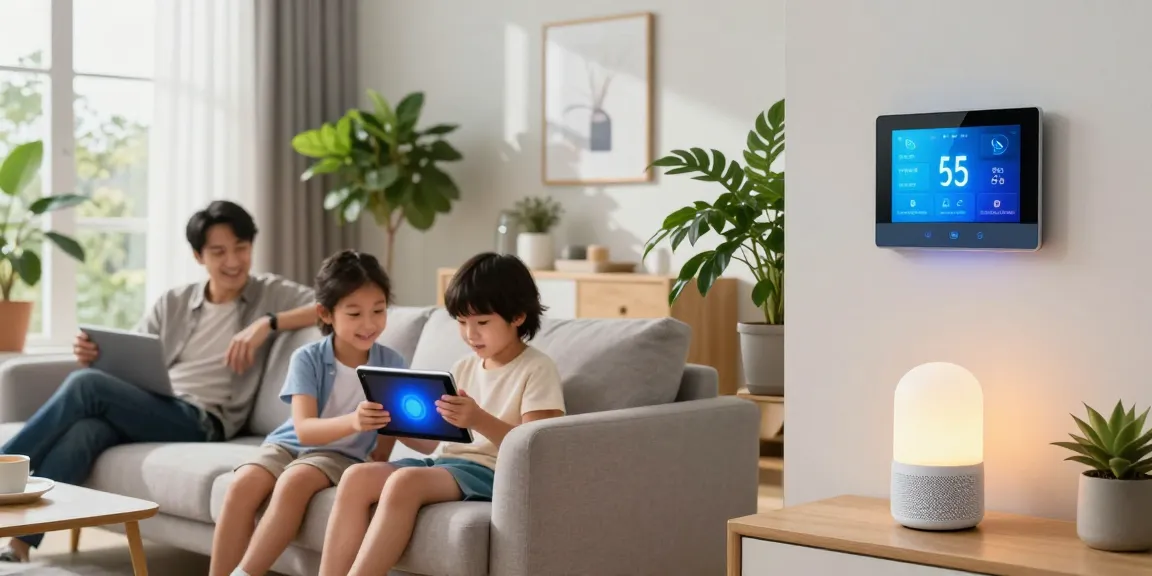
Smart home automation is the process of controlling home devices and systems—ranging from lighting and climate control to security systems and entertainment—through centralized network connections. These systems can be remotely accessed and managed via smartphones, tablets, or voice commands, allowing homeowners to customize their living environments according to their preferences. As the Internet of Things (IoT) proliferates, the potential for smart home technology expands, making it an integral part of contemporary lifestyle choices.
The Evolution of Home Automation Technologies
The journey of home automation began with simple remote controls for appliances. Over the years, advancements in wireless technology, sensors, and artificial intelligence have propelled home automation into the digital age. Today, systems like smart thermostats and intelligent security cameras not only streamline household operations but also offer data-driven insights to enhance energy efficiency and security. Each technological leap paves the way for new products and services that redefine home comfort.
Benefits of Smart Home Automatisierung for Modern Living
Adopting smart home automation brings numerous benefits, including:
- Energy Efficiency: Automated systems optimize energy usage by regulating heating, cooling, and lighting, lowering utility bills.
- Enhanced Security: Real-time monitoring and alerts allow homeowners to secure their properties and respond to threats promptly.
- Convenience: Automation simplifies daily tasks through scheduled operations and remote access, improving overall lifestyle satisfaction.
- Customization: Smart systems can be tailored to individual preferences, creating a more personalized living environment.
When exploring options, Smart Home Automatisierung offers comprehensive insights into optimizing home management through technology.
Key Components of a Smart Home System
Essential Devices for Effective Smart Home Automatisierung
To create an effective smart home, several key devices are essential:
- Smart Lighting: Allows control over brightness and color through voice commands or mobile apps.
- Smart Thermostats: Learn users‘ schedules to optimize heating and cooling systems automatically.
- Smart Security Cameras: Provide real-time monitoring and alerts for security breaches.
- Smart Locks: Enable remote locking and unlocking, enhancing home security while providing convenience.
- Smart Appliances: Such as refrigerators, ovens, and washers that can be controlled via apps, streamline cooking and cleaning tasks.
Integration and Compatibility of Devices
An effective smart home system relies on the seamless integration of devices from different manufacturers. Standards such as Zigbee, Z-Wave, and Wi-Fi ensure that devices can communicate and operate together efficiently. Home automation hubs can unify various devices, allowing for comprehensive control and monitoring from a single app or interface. Ensuring compatibility among devices is crucial for maximizing the benefits of automation.
Security Features in Smart Home Systems
Security is a primary concern for homeowners considering smart home automation. Modern systems incorporate multiple layers of security features, including:
- Encryption: Securing data transmitted between devices to prevent unauthorized access.
- Two-Factor Authentication: Adding an extra layer of security for accessing smart home applications.
- Real-Time Alerts: Sending notifications to users for any suspicious activities or breach attempts.
- Surveillance Integration: Linking cameras and alarms to monitor property and receive alerts instantly.
Practical Applications of Smart Home Automatisierung
Energy Management and Efficiency
One of the most compelling applications of smart home automation is in energy management. Automated systems adjust heating and cooling based on occupancy, significantly reducing energy consumption. Smart plugs can schedule appliance usage to off-peak hours, saving on electricity bills. Additionally, data analytics from smart meters provide insights into energy usage patterns, enabling homeowners to make informed decisions about their consumption.
Enhancing Home Security with Automation
Home security automation has transformed how homeowners protect their properties. With smart locks, security cameras, and motion detectors, homeowners can monitor their premises remotely. Integration with smartphones allows for immediate alerts when unusual activities are detected. Furthermore, automation can simulate presence by controlling lights and appliances, adding an extra layer of security when residents are away.
Convenience and Lifestyle Enhancements
Smart home automation enhances convenience by streamlining daily tasks. Voice-activated devices enable hands-free control, allowing users to adjust lighting, control music, and manage schedules effortlessly. Moreover, scheduling features let users pre-set routines for mornings and evenings, improving lifestyle quality. Overall, automation contributes to time savings, making everyday life more enjoyable.
Challenges and Considerations in Smart Home Implementation
Common Misconceptions about Smart Home Technology
Despite the benefits, misconceptions about smart home technology persist. Some believe that automation is too complex or expensive, while others doubt its reliability. In reality, there are various solutions available for different budgets and technical skills. Educating potential users about the simplicity and versatility of smart home systems can dispel these myths and encourage adoption.
Cost Considerations and Budgeting for Automation
Investing in smart home automation requires careful budgeting. While entry-level systems can be affordable, comprehensive setups may range widely in price. Homeowners should consider their long-term goals and choose scalable solutions that can evolve with their needs. Additionally, understanding potential savings from reduced energy consumption can help justify the initial investment. For a balanced budgeting approach, consider integrating devices gradually, starting with those that offer the most benefit.
Future-Proofing Your Smart Home Solutions
As technology evolves, so must smart home systems. Future-proofing ensures that systems can adapt to new advancements and integrate with upcoming devices. Homeowners should opt for platforms that support software updates and are compatible with multiple device standards. This approach not only extends the lifespan of systems but also enhances the overall user experience by allowing access to the latest features and innovations.
Future Trends in Smart Home Automatisierung
Emerging Technologies and Innovations for 2026
The smart home industry is rapidly evolving, with several trends emerging for 2026:
- AI-Powered Automation: Artificial intelligence will enhance device learning and improve user interactions through predictive behaviors.
- Interoperability Standards: Newer standards will facilitate seamless communication between devices from different manufacturers.
- Advanced Security Protocols: Developments in cybersecurity will further secure smart home environments against potential threats.
- Sustainability Focus: More devices will be designed with energy efficiency in mind, promoting environmentally friendly practices.
The Role of AI in Smart Home Automatisierung
AI is set to play a transformative role in smart home automation by enhancing device interactions and personalizing user experiences. AI algorithms can analyze user preferences and habits, allowing devices to anticipate needs without manual input. This level of customization not only boosts convenience but also fosters energy efficiency by optimizing resource use based on individual patterns.
Predictions for Consumer Adoption Rates and Preferences
As awareness about smart home technologies grows, so does consumer interest. Predictions for 2026 indicate a significant increase in the adoption of smart home solutions, driven by advancements in affordability and functionality. Consumers will likely prioritize convenience, security, and energy efficiency when selecting devices, pushing manufacturers to innovate and offer more integrated solutions. The trend toward smart living is expected to become a standard rather than a luxury in households around the globe.
What are the key benefits of Smart Home Automatisierung?
The key benefits include enhanced security, energy efficiency, convenience, and tailored living experiences that adapt to individual needs and preferences.
How much does Smart Home Automatisierung cost?
Costs can range significantly, from simple devices priced under $100 to comprehensive systems that can exceed $10,000, depending on the complexity and scale of automation desired.
What devices are essential for a smart home setup?
Essential devices include smart lighting, smart thermostats, security cameras, smart locks, and smart appliances that enhance convenience and control.
How can I enhance my home’s security with automation?
By implementing smart locks, cameras, and motion detectors that integrate with mobile apps, homeowners can monitor security in real-time and respond to emergencies instantly.
Are there privacy concerns with Smart Home technologies?
Yes, privacy concerns exist regarding data collection and security breaches. For more information, Smart Home Tipps offers valuable insights. Choosing reputable brands and securing devices with strong passwords and authentication measures is essential to mitigate these risks.