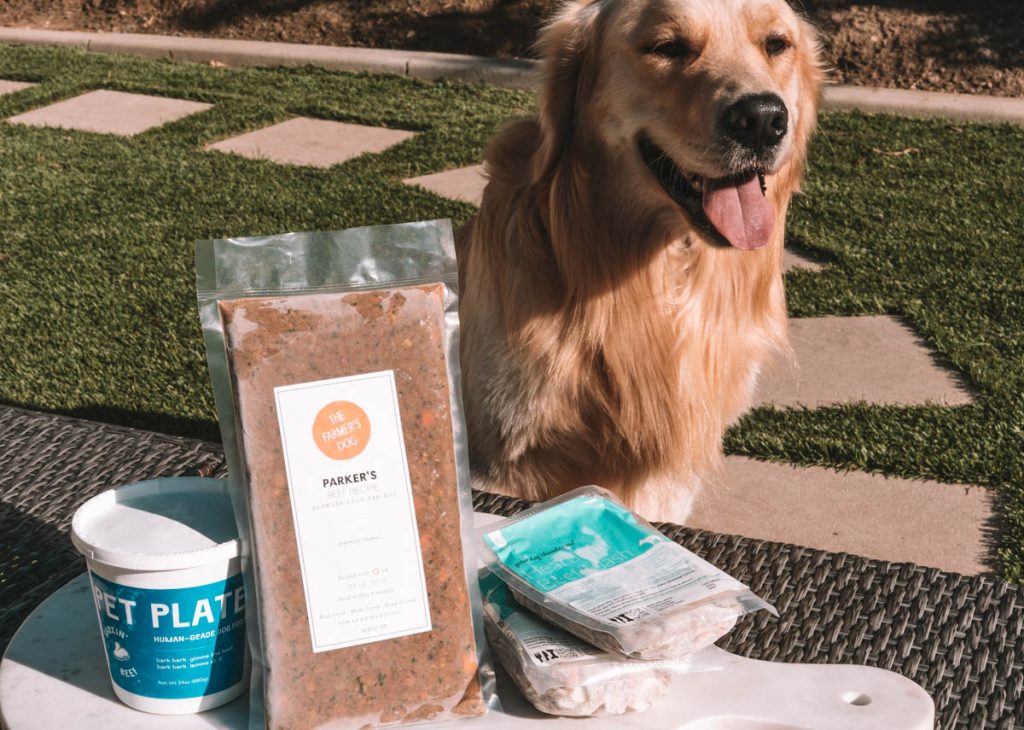
When pet owners look for fresh dog food, one name shows up again and again: The Farmer’s Dog. It is known for using real ingredients, simple recipes, and personalized meal plans. But one of the biggest questions new pet parents ask is about Farmer’s dog pricing. How much does it cost? Do puppies cost more to feed than adult dogs? And what affects the price?
This complete guide explains Farmer’s dog pricing for puppies vs adults in a simple, Grade 9-level format. You will learn about real costs, factors that change the price, feeding examples, and tips to save money.
Understanding Farmer’s Dog Pricing
Farmer’s dog pricing is based on your dog’s individual needs. Unlike store-bought kibble, The Farmer’s Dog creates a custom meal plan based on:
- Age
- Weight
- Breed
- Activity level
- Health needs
Because every dog is different, the price is not the same for everyone. A small, low-energy adult dog will cost less than a fast-growing puppy or a large-breed dog. Puppies usually cost more at first because they need more calories and frequent feeding.
Why Puppies Cost More Than Adults
Growth and Energy Needs
Puppies grow fast. Their bodies are building muscle, bones, and brain development. They need more calories per pound than adult dogs. So when calculating Farmer’s dog pricing, puppies usually require:
- More food per day
- More protein
- Higher nutritional density
For example, a 4-month-old Labrador puppy may need to eat twice as many calories as the same dog when fully grown.
Feeding Multiple Times per Day
Puppies are typically fed three or four meals daily, while adult dogs do fine with one or two meals per day. More meals means more food and higher cost.
Frequent Weight Updates
Owners must update puppy weight on the service so portion sizes can change. As puppies grow, they need larger deliveries over time. That gradually increases Farmer’s dog pricing during the puppy stage.
Farmer’s Dog Pricing for Puppies (Typical Costs)
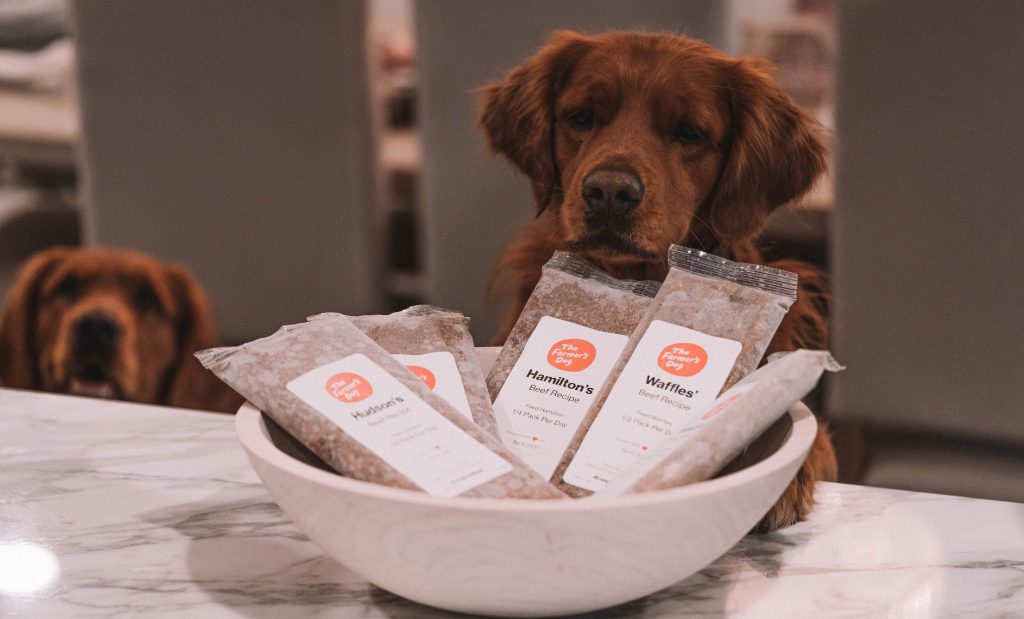
When researching Farmer’s dog pricing, many owners want real numbers. While prices change depending on location and dog data, typical puppy pricing may include:
- Small breeds: $40–$70 per week
- Medium breeds: $60–$90 per week
- Large breeds: $90–$130 per week
This equals $160–$520 per month depending on size and activity.
Example Case Study: Max the Goldendoodle Puppy
- Age: 3 months
- Weight: 15 lbs
- Activity: High (plays daily)
- Price quote: Around $75 per week
Because puppies continue to gain weight, Max’s price will continue to increase until he becomes an adult.
Farmer’s Dog Pricing for Adult Dogs (Typical Costs)
Once a puppy stops growing, the cost usually stabilizes. Most adult dogs eat the same amount every day unless their weight or activity changes.
Typical adult dog pricing might include:
- Small breeds: $30–$50 per week
- Medium breeds: $45–$75 per week
- Large breeds: $75–$120 per week
This equals roughly $120–$480 per month.
Example Case Study: Bella the Adult Beagle
- Age: 4 years
- Weight: 22 lbs
- Activity: Medium
- Price quote: Around $50 per week
Bella’s price stays steady because her weight no longer changes.
Key Factors That Affect Farmer’s Dog Pricing
Breed and Size
Larger dogs require more food. A Great Dane will always cost more to feed than a Chihuahua because of daily portion size.
Activity Level
Active dogs burn more calories. Running, playing fetch, hiking, or agility training increases Farmer’s dog pricing.
Recipe Choices
Some recipes include ingredients like beef or turkey. Prices may vary slightly between recipes due to ingredient sourcing.
Health Needs
Dogs with allergies or sensitive stomachs sometimes need special recipes, which can increase cost.
Location
Shipping prices change based on where you live. Urban areas may have slightly different Farmer’s dog pricing than rural regions.
Comparing Fresh Food vs Store-Bought Food Costs
Fresh Food Benefits
Fresh food like The Farmer’s Dog contains:
- Real meat
- Vegetables
- Simple ingredients
- No fillers
- No artificial colors
It is easier for many dogs to digest compared to kibble.
Price Comparison
Here is a basic comparison to help understand Farmer’s dog pricing:
| Type of Food | Approx. Monthly Cost (Medium Dog) |
|---|---|
| Dry kibble | $30–$80 |
| Canned / Wet Food | $80–$160 |
| Fresh Food (Farmer’s Dog) | $180–$350 |
Fresh food is more expensive, but many owners believe it improves coat shine, digestion, and energy levels.
How Farmer’s Dog Subscriptions Work
Personalized Plans
You enter your dog’s details: age, breed, weight, and goals. Then the website recommends a custom meal plan and price.
Delivery Schedule
Food is shipped frozen and arrives in insulated packaging. Most plans deliver every 2 or 4 weeks.
Automatic Updates
As puppies grow, you update weight in your account. This changes Farmer’s dog pricing automatically based on new portion sizes.
Tips to Lower Farmer’s Dog Pricing
Many pet owners like the quality but want to reduce costs. Here are useful ideas:
1. Partial Feeding
Mixing fresh food with kibble is common. Feed half Farmer’s Dog and half kibble to maintain nutrition while lowering price.
2. Choose a Longer Plan
Some promotions offer lower weekly pricing for long-term subscriptions.
3. Use Referral Discounts
Refer a friend and receive bonus credits, lowering overall Farmer’s dog pricing.
4. Start with Smaller Portions
You can start with recommended amounts, then adjust if your dog maintains healthy weight.
5. Store Food Properly
Keep food frozen until ready. Wasted food equals wasted money.
Real-Life Comparison: Puppy vs Adult Costs
Picture two houses on the same street. One family has a 6-month-old Husky puppy, and the other has a 5-year-old German Shepherd. Both use The Farmer’s Dog.
- The Husky puppy eats nearly twice per pound compared to the adult dog.
- The German Shepherd costs around $100 per week, while the Husky costs around $140 per week.
Even though both dogs are similar in size, age changes Farmer’s dog pricing dramatically.
Why Farmer’s Dog Pricing Is Higher for Puppies At First
Development
Puppies are constantly building new muscle, joints, heart tissue, and immune strength. Food fuels this growth.
More Frequent Meals
More meals means bigger orders.
Fast Changes in Weight
If a puppy grows from 10 lbs to 20 lbs in two months, portion size doubles, affecting Farmer’s dog pricing.
Benefits of Paying More for Fresh Puppy Food
Even though fresh puppy food costs more, many pet owners choose it because of important benefits:
- Better digestion
- Fewer food allergies
- Shinier coats
- Healthy weight gain
- Real ingredients
For new dogs, strong nutrition early in life supports long-term health.
Conclusion: Is Farmer’s Dog Pricing Worth It?
Farmer’s dog pricing may feel expensive, especially for puppies. But many owners say they see a real difference in their dog’s health, energy, and digestion. Puppies cost more at first because they eat more, grow rapidly, and need high-quality ingredients. Adult dogs are usually more stable and cost less each month.
If you want fresh food, real ingredients, and personalized meals, The Farmer’s Dog is a strong choice. You can also reduce pricing using partial feeding, discounts, and smart planning. The best decision depends on your budget, dog size, and nutrition goals.
Investing in healthy food early can mean fewer vet bills later and a happier, healthier pet. Whether you’re a beginner or an expert, start from our homepage for best results.
FAQs
Frequently Asked Questions
Is Farmer’s Dog cheaper for adult dogs than puppies?
Yes. Adults usually cost less because their weight stays the same, so their meal plan does not change as often. Puppies need more calories and more frequent portion updates.
Can I mix Farmer’s Dog with regular kibble to reduce cost?
Yes, many owners mix fresh food and dry food. This keeps dogs healthy while lowering overall Farmer’s dog pricing each month.
How do I know if my puppy needs a feeding update?
If your puppy gains weight or looks hungry after meals, update their weight in your account. Portion changes will adjust automatically, affecting Farmer’s dog pricing.